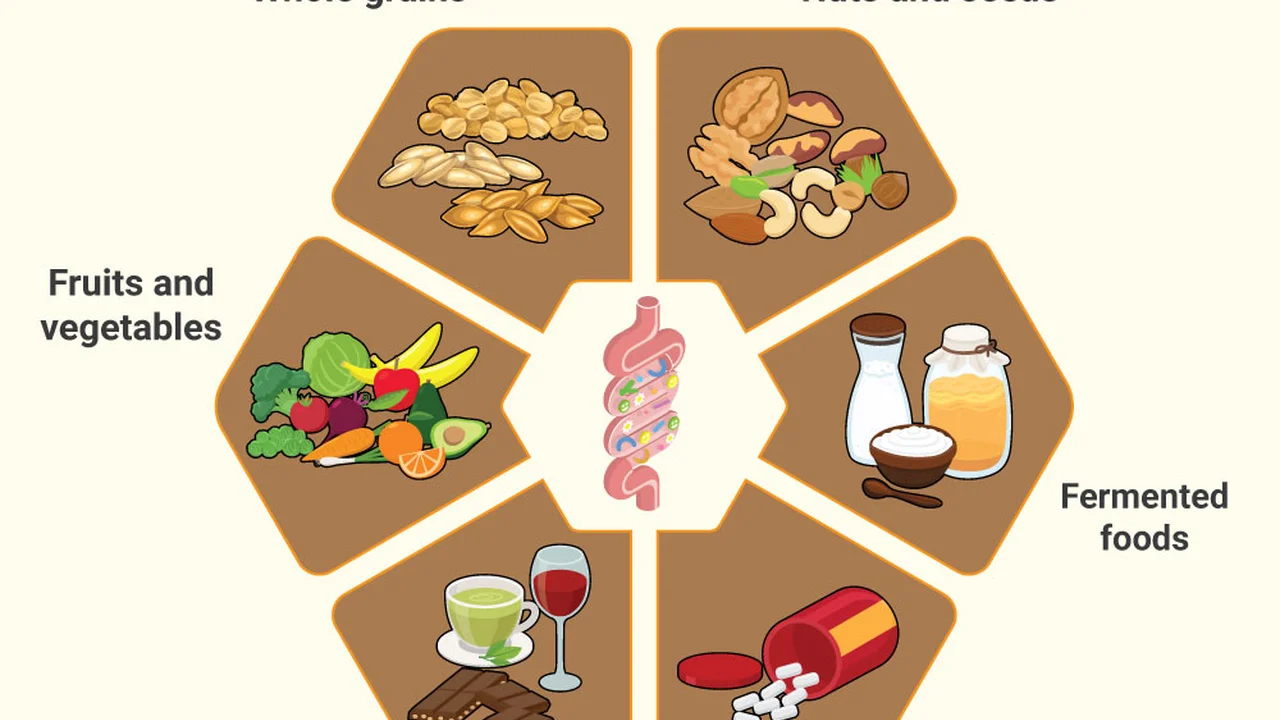
Best Foods for Gut Health: Nourish Your Microbiome
Meta Description: Heart disease is a leading cause of death, but there are many things you can do to reduce your risk. Learn about the risk factors for heart disease and how to make lifestyle changes to protect your heart. Live a heart-healthy life and reduce your risk of cardiovascular problems.
Understanding Heart Disease and Cardiovascular Health Risks
Heart disease, also known as cardiovascular disease (CVD), is a broad term encompassing various conditions affecting the heart and blood vessels. It's the number one cause of death globally, but the good news is that many of its risk factors are modifiable. Understanding these risks is the first step towards protecting your heart and enjoying a longer, healthier life.
Several factors contribute to the development of heart disease. Some are beyond your control, like genetics and age. However, many are related to lifestyle choices that you *can* change.
Key Risk Factors for Heart Disease:
- High Blood Pressure (Hypertension): This puts extra strain on your heart and arteries, increasing the risk of heart attack, stroke, and heart failure.
- High Cholesterol: High levels of LDL ("bad") cholesterol can lead to plaque buildup in your arteries, narrowing them and restricting blood flow.
- Smoking: Smoking damages blood vessels, raises blood pressure, and increases the risk of blood clots.
- Diabetes: High blood sugar levels can damage blood vessels and nerves, increasing the risk of heart disease.
- Obesity: Excess weight puts extra strain on your heart and increases the risk of other risk factors like high blood pressure, high cholesterol, and diabetes.
- Physical Inactivity: A sedentary lifestyle increases the risk of heart disease.
- Unhealthy Diet: Diets high in saturated and trans fats, cholesterol, sodium, and added sugars can contribute to heart disease.
- Family History of Heart Disease: If you have a close family member who developed heart disease at a young age, your risk is higher.
- Age: The risk of heart disease increases with age.
- Stress: Chronic stress can contribute to high blood pressure and other risk factors.
Lifestyle Changes for Heart Disease Prevention and Cardiovascular Health
The power to reduce your risk of heart disease is largely in your hands. Here are some effective lifestyle changes you can make:
Dietary Changes for Heart Health and Cholesterol Management
What you eat plays a huge role in your heart health. Adopting a heart-healthy diet can lower your cholesterol, blood pressure, and overall risk of heart disease.
- Eat Plenty of Fruits and Vegetables: Aim for at least five servings a day. They are packed with vitamins, minerals, and fiber, which are essential for heart health. Think colorful – berries, leafy greens, oranges, and bell peppers are all great choices.
- Choose Whole Grains: Opt for whole grains like brown rice, quinoa, oats, and whole-wheat bread over refined grains like white rice and white bread. Whole grains are higher in fiber, which can help lower cholesterol.
- Limit Saturated and Trans Fats: These fats can raise your LDL ("bad") cholesterol. Saturated fats are found in red meat, full-fat dairy products, and some processed foods. Trans fats are often found in fried foods and baked goods. Read food labels carefully and choose healthier alternatives.
- Choose Lean Protein Sources: Opt for lean protein sources like fish, poultry (without skin), beans, lentils, and tofu. Fish, especially fatty fish like salmon and tuna, is rich in omega-3 fatty acids, which are beneficial for heart health.
- Limit Sodium Intake: High sodium intake can raise blood pressure. Aim for less than 2,300 milligrams of sodium per day. Read food labels carefully and choose low-sodium options. Avoid adding extra salt to your food.
- Control Portion Sizes: Even healthy foods can contribute to weight gain if you eat too much. Pay attention to portion sizes and avoid overeating.
Exercise and Physical Activity for a Healthy Heart and Cardiovascular System
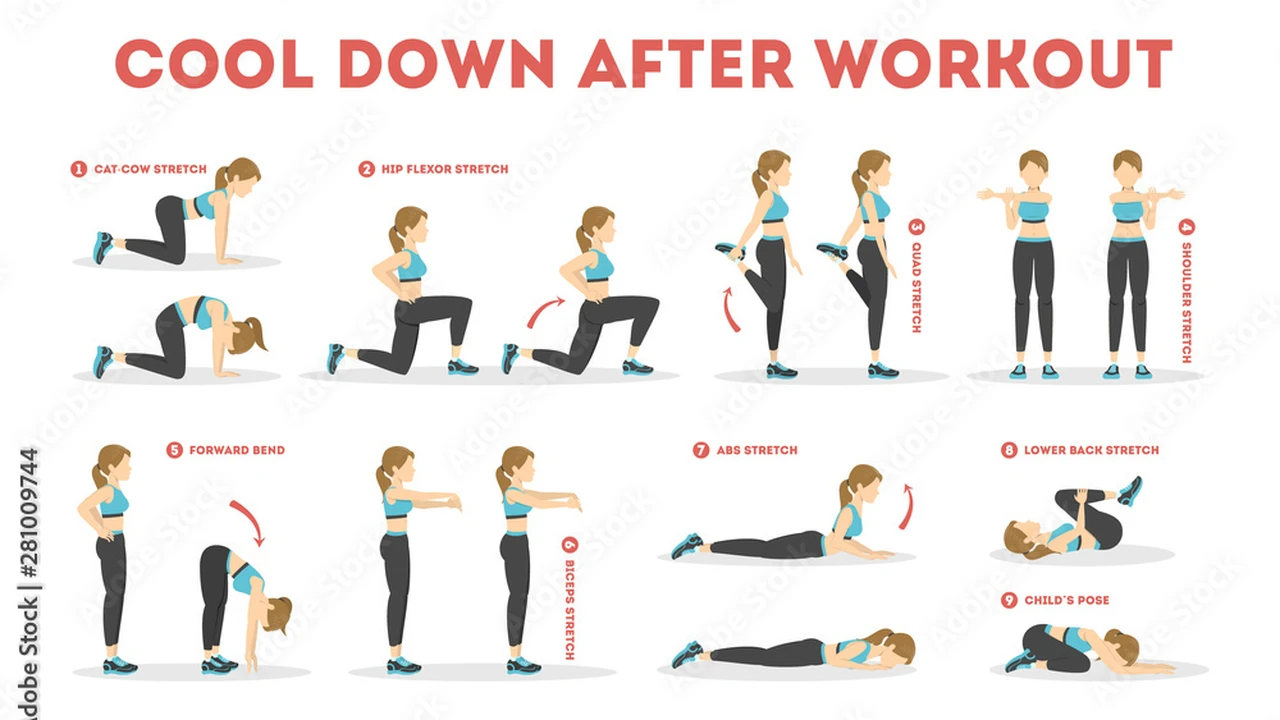
Regular physical activity is crucial for maintaining a healthy heart. It helps lower blood pressure, cholesterol, and weight, and improves overall cardiovascular health.
- Aim for at Least 150 Minutes of Moderate-Intensity Aerobic Activity per Week: This could include brisk walking, jogging, swimming, or cycling. You can break it up into smaller chunks of time, like 30 minutes most days of the week.
- Incorporate Strength Training Exercises: Strength training helps build muscle mass, which can improve your metabolism and help you burn more calories. Aim for strength training exercises at least two days per week.
- Find Activities You Enjoy: The key to sticking with an exercise program is to find activities you enjoy. This could include dancing, gardening, hiking, or playing sports.
- Start Slowly and Gradually Increase Intensity: If you're new to exercise, start slowly and gradually increase the intensity and duration of your workouts.
Smoking Cessation: Quitting Smoking for Improved Cardiovascular Health
Quitting smoking is one of the best things you can do for your heart health. Smoking damages blood vessels, raises blood pressure, and increases the risk of blood clots. Within just a few years of quitting, your risk of heart disease will significantly decrease.
- Talk to Your Doctor: Your doctor can help you develop a smoking cessation plan and recommend resources to help you quit.
- Use Nicotine Replacement Therapy: Nicotine replacement therapy, such as patches, gum, or lozenges, can help reduce cravings and withdrawal symptoms.
- Join a Support Group: Support groups can provide you with encouragement and support as you quit smoking.
- Avoid Triggers: Identify situations or activities that trigger your cravings and avoid them.
Stress Management Techniques for Cardiovascular Wellness and Relaxation
Chronic stress can contribute to high blood pressure and other risk factors for heart disease. Finding healthy ways to manage stress is essential for your heart health.
- Practice Relaxation Techniques: Relaxation techniques, such as deep breathing, meditation, and yoga, can help lower stress levels.
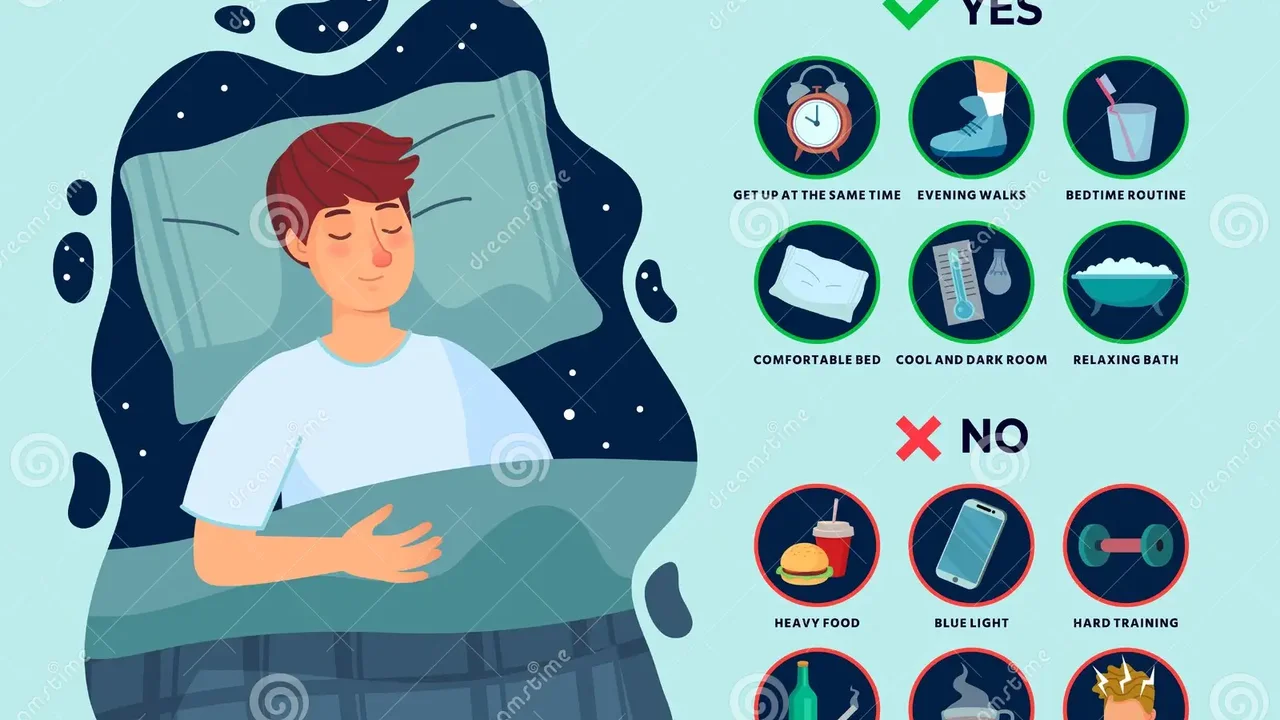
- Get Enough Sleep: Lack of sleep can contribute to stress and other health problems. Aim for 7-8 hours of sleep per night.
- Spend Time in Nature: Spending time in nature can help reduce stress and improve mood.
- Connect with Friends and Family: Social support can help you cope with stress.
- Engage in Hobbies: Engaging in hobbies you enjoy can help you relax and de-stress.
Regular Check-Ups and Monitoring of Cardiovascular Health Indicators
Regular check-ups with your doctor are crucial for monitoring your heart health and detecting potential problems early. Your doctor can check your blood pressure, cholesterol levels, and other risk factors for heart disease.
- Get Your Blood Pressure Checked Regularly: High blood pressure often has no symptoms, so it's important to get it checked regularly.
- Get Your Cholesterol Levels Checked: High cholesterol can lead to plaque buildup in your arteries.
- Talk to Your Doctor About Your Family History: If you have a family history of heart disease, your doctor may recommend more frequent check-ups.
Specific Products and Their Role in Promoting Cardiovascular Health
While lifestyle changes are the foundation of heart health, certain products can complement these efforts and provide additional support. Here are a few examples:
Omega-3 Supplements for Heart Health: Fish Oil vs Krill Oil
Omega-3 fatty acids, particularly EPA and DHA, are known for their heart-healthy benefits. They can help lower triglycerides, reduce inflammation, and improve blood vessel function.
- Fish Oil: A readily available and affordable source of omega-3s. Look for brands that are third-party tested for purity and potency.
- Usage Scenario: Daily supplementation for general heart health.
- Comparison: Generally less expensive than krill oil but may have a fishy aftertaste.
- Product Recommendation: Nordic Naturals Ultimate Omega (around $30 for 120 softgels).
- Krill Oil: Another source of omega-3s, often considered to be more easily absorbed than fish oil.
- Usage Scenario: For individuals who have difficulty absorbing fish oil or experience a fishy aftertaste.
- Comparison: More expensive than fish oil, but some studies suggest better absorption.
- Product Recommendation: MegaRed Omega-3 Krill Oil (around $25 for 60 softgels).
Plant Sterols and Stanols for Cholesterol Reduction: Functional Foods vs Supplements
Plant sterols and stanols are naturally occurring substances that can help lower LDL ("bad") cholesterol by blocking its absorption in the intestines.
- Functional Foods: Many foods are fortified with plant sterols and stanols, such as margarine, yogurt, and orange juice.
- Usage Scenario: Incorporating these foods into your daily diet as part of a cholesterol-lowering strategy.
- Comparison: A convenient way to consume plant sterols and stanols, but the amount per serving may be limited.
- Product Recommendation: Benecol Spread (check local grocery stores for pricing).
- Supplements: Plant sterol and stanol supplements are also available.
- Usage Scenario: For individuals who need a higher dose of plant sterols and stanols than they can get from functional foods alone.
- Comparison: Provides a concentrated dose of plant sterols and stanols.
- Product Recommendation: Nature Made CholestOff Plus (around $20 for 180 softgels).
Fiber Supplements for Heart Health: Psyllium Husk vs Methylcellulose
Fiber helps lower cholesterol, regulate blood sugar levels, and promote healthy digestion, all of which are beneficial for heart health.
- Psyllium Husk: A soluble fiber that can help lower cholesterol.
- Usage Scenario: Daily supplementation to increase fiber intake and lower cholesterol.
- Comparison: Can be more effective at lowering cholesterol than methylcellulose, but may cause bloating or gas in some individuals.
- Product Recommendation: Metamucil (around $15 for a 44-serving container).
- Methylcellulose: Another type of soluble fiber that can help regulate bowel movements.
- Usage Scenario: To relieve constipation and promote regular bowel movements.
- Comparison: Less likely to cause bloating or gas than psyllium husk.
- Product Recommendation: Citrucel (around $18 for a 30-serving container).
Coenzyme Q10 (CoQ10) for Heart Function and Antioxidant Support
CoQ10 is an antioxidant that plays a vital role in energy production within the heart cells. Some studies suggest it may improve heart function and reduce the risk of heart failure, especially in individuals taking statin medications.
- Usage Scenario: Supplementation to support heart function, particularly for individuals taking statins.
- Product Recommendation: Nature's Bounty CoQ10 (around $25 for 60 softgels). Look for a "ubiquinol" form for potentially better absorption.
Important Considerations Before Taking Supplements for Cardiovascular Health
It's crucial to remember that supplements are not a substitute for a healthy lifestyle. Before taking any supplements for heart health, consult with your doctor. They can assess your individual needs, potential interactions with medications you are already taking, and recommend the appropriate dosage.
Conclusion: Taking Control of Your Heart Health
Heart disease is a serious condition, but it's not inevitable. By making healthy lifestyle choices and working closely with your doctor, you can significantly reduce your risk and live a longer, healthier life. Remember to focus on a heart-healthy diet, regular physical activity, stress management, and regular check-ups. These simple steps can make a big difference in protecting your heart.
:max_bytes(150000):strip_icc()/277019-baked-pork-chops-with-cream-of-mushroom-soup-DDMFS-beauty-4x3-BG-7505-5762b731cf30447d9cbbbbbf387beafa.jpg)