The Benefits of High-Intensity Interval Training (HIIT)
.webp)
Normal text: Heart disease is a big deal, affecting tons of people worldwide. But the good news is, you've got the power to significantly lower your risk. It's not about magic potions or crazy diets, but about making smart choices every day. Let's dive into what you can do to keep your heart happy and healthy.
Understanding Heart Disease Risk Factors
Okay, first things first, let's talk about what makes you more likely to develop heart disease. Knowing your risk factors is half the battle. Some, like family history, you can't change. But many, like your diet and lifestyle, are totally within your control.
Unchangeable Risk Factors: Age, Gender, and Family History
Yeah, getting older increases your risk, sadly. Men are generally at higher risk than women until women reach menopause, and then the risk evens out. And if your parents or siblings had heart disease at a young age, that bumps up your risk too. While you can't change these, knowing them helps you be extra diligent about the things you *can* control.
Modifiable Risk Factors: Diet, Exercise, Smoking, and More
This is where you can really make a difference! Your diet, how much you move, if you smoke – all these things play a huge role. High blood pressure, high cholesterol, diabetes, and obesity are also major risk factors that you can manage through lifestyle changes and, if necessary, medication.
Lifestyle Changes for a Healthy Heart
Alright, let's get practical. What can you actually *do* to protect your heart? Simple changes in your daily routine can add up to big benefits.
The Importance of a Heart-Healthy Diet: Foods to Eat and Avoid
Your diet is a cornerstone of heart health. Think of it this way: you're fueling your body, and you want to give it the best possible fuel. That means lots of fruits, vegetables, whole grains, and lean protein. Limit saturated and trans fats, cholesterol, sodium, and added sugars. Basically, ditch the processed junk and load up on real food.
Delicious and Heart-Healthy Meal Ideas
Don't think eating healthy has to be boring! How about a grilled salmon with roasted vegetables for dinner? Or an oatmeal breakfast with berries and nuts? A lentil soup for lunch? Get creative, experiment with new recipes, and find healthy meals you actually enjoy.
Specific Foods to Include in Your Diet: Omega-3s, Fiber, and Antioxidants
Omega-3 fatty acids, found in fatty fish like salmon and tuna, are excellent for heart health. Fiber, found in whole grains, fruits, and vegetables, helps lower cholesterol. And antioxidants, found in colorful fruits and vegetables, protect your cells from damage. Aim to include these powerhouses in your diet regularly.
The Role of Regular Exercise: Finding an Activity You Enjoy
Exercise is another key ingredient for a healthy heart. It helps lower blood pressure, cholesterol, and weight, and it improves your overall cardiovascular fitness. The best part? You don't have to run marathons! Just find an activity you enjoy, whether it's walking, swimming, dancing, or biking. Aim for at least 30 minutes of moderate-intensity exercise most days of the week.
Effective Exercise Routines for Heart Health: Cardio, Strength Training, and Flexibility
Cardio, like brisk walking or jogging, gets your heart pumping. Strength training, using weights or resistance bands, builds muscle and helps improve your metabolism. And flexibility exercises, like stretching, improve your range of motion and prevent injuries. A well-rounded exercise routine includes all three.
The Dangers of Smoking and How to Quit
Smoking is one of the worst things you can do for your heart. It damages your blood vessels, increases your blood pressure, and makes you more likely to form blood clots. Quitting smoking is the single best thing you can do for your heart health. There are tons of resources available to help you quit, including medications, support groups, and counseling. Don't be afraid to reach out for help.
Managing Stress: Techniques for Reducing Anxiety and Improving Well-being
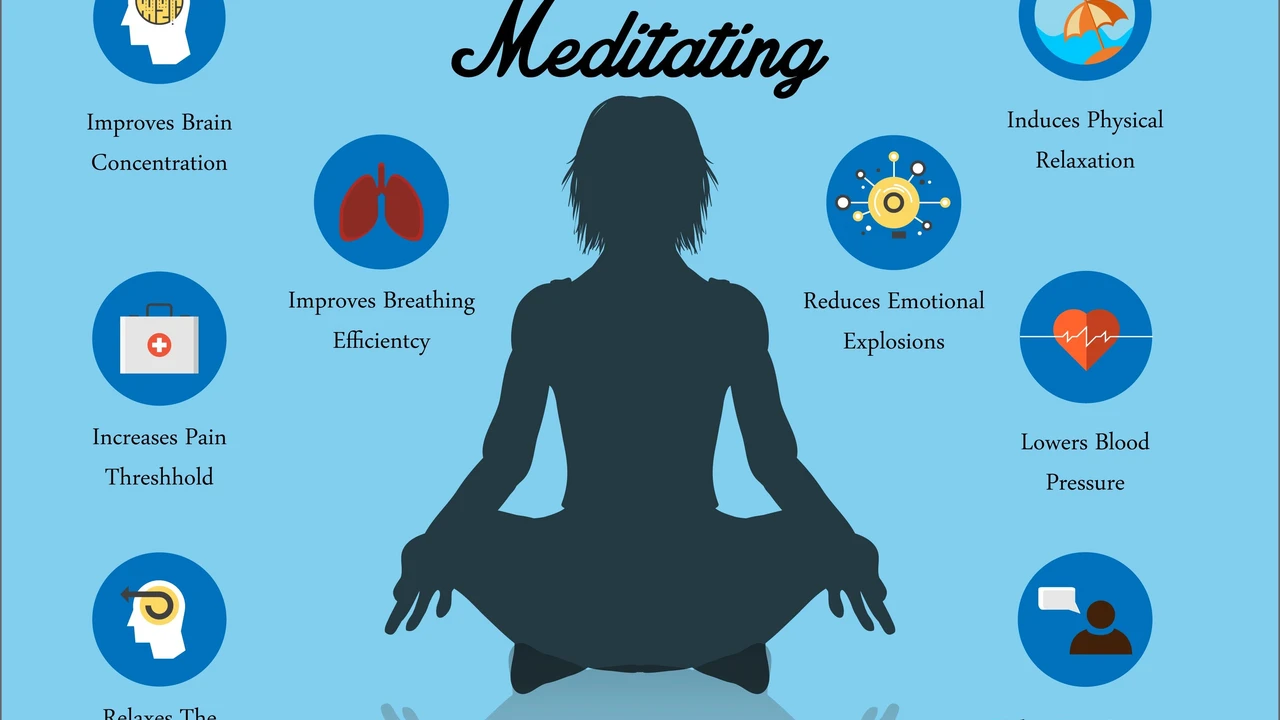
Stress can take a toll on your heart. Chronic stress can lead to high blood pressure, unhealthy habits, and an increased risk of heart disease. Find healthy ways to manage stress, such as yoga, meditation, spending time in nature, or talking to a therapist. Prioritize self-care and make time for activities that you enjoy.
Medical Interventions for Heart Disease Prevention
Sometimes, lifestyle changes aren't enough. If you have high blood pressure, high cholesterol, or diabetes, your doctor may recommend medication to help manage these conditions. It's important to work closely with your doctor to develop a treatment plan that's right for you.
Medications for High Blood Pressure, High Cholesterol, and Diabetes
There are various medications available to treat high blood pressure, high cholesterol, and diabetes. Your doctor will choose the right medication based on your individual needs and risk factors. Be sure to take your medication as prescribed and follow your doctor's recommendations.
The Importance of Regular Check-Ups and Screenings
Regular check-ups with your doctor are essential for monitoring your heart health and detecting potential problems early. Your doctor will check your blood pressure, cholesterol, and blood sugar levels, and they may recommend other screenings, such as an electrocardiogram (ECG) or a stress test. Early detection and treatment can significantly improve your outcome.
Recommended Products for Heart Health
While a healthy lifestyle is the foundation, certain products can complement your efforts and support your heart health. Remember to talk to your doctor before starting any new supplements or making significant changes to your routine.
Omega-3 Supplements: Brands, Dosage, and Benefits
Omega-3 supplements can be a great way to boost your intake of these essential fatty acids, especially if you don't eat a lot of fatty fish. Look for reputable brands like Nordic Naturals, Kirkland Signature, or Garden of Life. The recommended dosage is typically around 1000-2000 mg of EPA and DHA per day. Omega-3s can help lower triglycerides, reduce inflammation, and improve blood vessel function. A bottle of 120 softgels usually costs between $20 and $40, depending on the brand and concentration.
* **Nordic Naturals Ultimate Omega:** High-quality, concentrated omega-3s. Great for overall heart health. (Approx. $40 for 120 softgels) * **Kirkland Signature Fish Oil:** A more affordable option that still provides a good dose of omega-3s. (Approx. $20 for 180 softgels) * **Garden of Life Vegan Omega-3:** A plant-based option for vegetarians and vegans. (Approx. $35 for 60 softgels)Consider taking them with a meal to improve absorption and minimize any fishy aftertaste.
Blood Pressure Monitors: Types, Accuracy, and Ease of Use
Monitoring your blood pressure at home can help you track your progress and detect any problems early. There are two main types of blood pressure monitors: upper arm monitors and wrist monitors. Upper arm monitors are generally considered more accurate. Look for a monitor that's been validated by a reputable organization like the American Heart Association. Choose a monitor that's easy to use and has a clear display. Prices range from $30 to $100.
* **Omron Evolv:** Wireless upper arm monitor with Bluetooth connectivity. Easy to use and track your readings on your smartphone. (Approx. $80) * **Greater Goods Blood Pressure Monitor:** A reliable and affordable upper arm monitor. (Approx. $40) * **Withings BPM Connect:** Another wireless upper arm monitor with easy-to-read display and smartphone integration. (Approx. $100)Take your blood pressure at the same time each day, following the instructions provided with your monitor.
Cholesterol-Lowering Foods and Supplements: Plant Sterols and Red Yeast Rice
Certain foods and supplements can help lower cholesterol. Plant sterols, found in fortified foods like margarine and yogurt, can block the absorption of cholesterol in the gut. Red yeast rice, a traditional Chinese medicine, contains compounds that can lower cholesterol. However, red yeast rice can interact with certain medications, so it's important to talk to your doctor before taking it. Prices vary depending on the product.
* **Benecol Spread:** Fortified with plant sterols to help lower cholesterol. (Approx. $5 per tub) * **Nature's Bounty Red Yeast Rice:** A popular red yeast rice supplement. (Approx. $20 for 120 capsules)Remember that supplements are not a substitute for a healthy diet and lifestyle.
Fitness Trackers: Monitoring Activity Levels and Sleep Quality
Fitness trackers can help you stay motivated and track your progress towards your fitness goals. They can monitor your activity levels, sleep quality, and heart rate. Look for a tracker that's comfortable to wear and has the features that are most important to you. Prices range from $30 to $300.
* **Fitbit Charge 5:** A popular fitness tracker with advanced features like ECG and stress tracking. (Approx. $150) * **Garmin Venu Sq:** A stylish fitness tracker with GPS and music storage. (Approx. $200) * **Xiaomi Mi Band 7:** An affordable fitness tracker with basic activity and sleep tracking. (Approx. $40)Wear your fitness tracker consistently to get the most accurate data and stay motivated to reach your goals.
Comparing Products for Heart Health
Choosing the right products for your heart health can be overwhelming with so many options available. Here's a quick comparison to help you make informed decisions:
Omega-3 Supplements: Which Brand is Right for You?
* **Nordic Naturals:** Best for those seeking high-quality, concentrated omega-3s and are willing to pay a premium. * **Kirkland Signature:** Best for those looking for an affordable and reliable option. * **Garden of Life:** Best for vegetarians and vegans who need a plant-based omega-3 source.
Blood Pressure Monitors: Arm vs Wrist
* **Upper Arm Monitors:** Generally more accurate, especially for people with larger arms or certain health conditions. * **Wrist Monitors:** More convenient and portable, but may be less accurate. Ensure proper positioning for accurate readings.
Fitness Trackers: Features and Price
* **Fitbit Charge 5:** Offers a comprehensive suite of features, including ECG and stress tracking, but comes at a higher price. * **Garmin Venu Sq:** A good balance of features and price, with GPS and music storage. * **Xiaomi Mi Band 7:** A budget-friendly option for basic activity and sleep tracking.
Conclusion-Alternative: Wrapping Things Up
Taking care of your heart is a lifelong journey, not a destination. By understanding your risk factors, making healthy lifestyle changes, and working closely with your doctor, you can significantly reduce your risk of heart disease and live a longer, healthier life. Remember, even small changes can make a big difference. So start today and make your heart a priority!
:max_bytes(150000):strip_icc()/277019-baked-pork-chops-with-cream-of-mushroom-soup-DDMFS-beauty-4x3-BG-7505-5762b731cf30447d9cbbbbbf387beafa.jpg)