

7 Tips for a Better Night's Sleep Tonight

Struggling to fall asleep or stay asleep? These 7 simple tips can help you get a better night's sleep tonight. Improve your sleep hygiene and wake up feeling refreshed and energized. Say goodbye to sleepless nights and hello to restful sleep.
Understanding the Importance of Sleep Quality for Rest and Recovery
Okay, let's be real. We all know sleep is important, but sometimes it feels like a luxury we can't afford. Between work, family, social life, and binge-watching our favorite shows, sleep often gets pushed to the bottom of the to-do list. But here’s the thing: consistently sacrificing sleep is like trying to drive a car on an empty tank. You might get a little ways, but eventually, you're going to break down. Good quality sleep isn't just about feeling less tired; it's absolutely crucial for everything from your mood and memory to your immune system and overall health. Think of it as your body’s nightly repair session, fixing the wear and tear of the day and prepping you for what’s to come.
When you sleep, your body releases hormones that help repair tissues, build muscle, and fight off infection. Your brain consolidates memories, processes information, and clears out toxins that have accumulated throughout the day. Skimping on sleep throws this whole process out of whack. You become more susceptible to illness, your cognitive function suffers, and your emotions can run wild. So, before you reach for that extra cup of coffee or decide to power through on just a few hours of shut-eye, remember that prioritizing sleep is an investment in your long-term health and well-being.
Tip 1 Create a Relaxing Bedtime Routine for Sleep Improvement
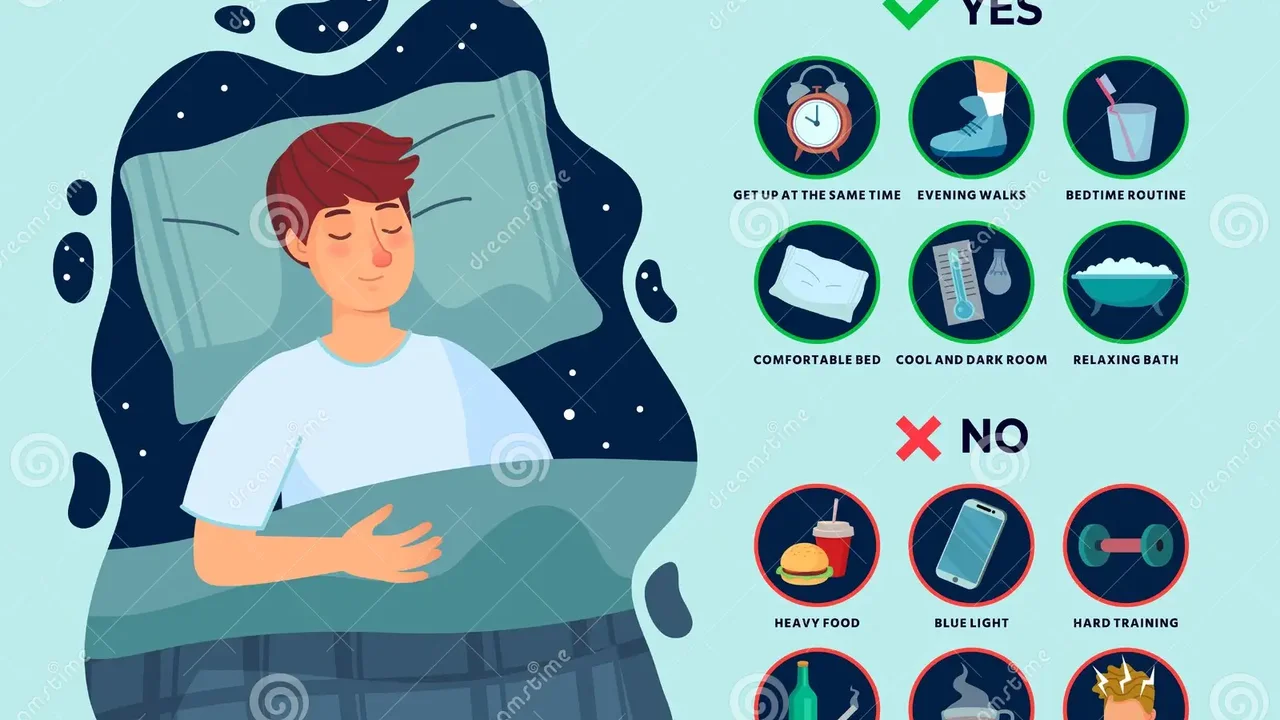
Think of your bedtime routine as a signal to your body that it's time to wind down and prepare for sleep. It’s like setting the stage for a good night's rest. The key is consistency. Try to do the same things every night, around the same time, to help regulate your body's natural sleep-wake cycle. This could include taking a warm bath, reading a book (a real book, not an e-reader!), listening to calming music, or practicing some gentle stretching or meditation. The goal is to create a relaxing and enjoyable ritual that helps you de-stress and transition from the busyness of the day to the tranquility of sleep.
Avoid screens (phones, tablets, computers, TVs) for at least an hour before bed, as the blue light emitted from these devices can interfere with your body's production of melatonin, a hormone that regulates sleep. Instead, dim the lights, brew a cup of chamomile tea, and focus on activities that promote relaxation. A consistent and relaxing bedtime routine will train your body to recognize when it's time to sleep, making it easier to fall asleep and stay asleep throughout the night.
Tip 2 Optimizing Your Sleep Environment for Better Sleep Hygiene
Your bedroom should be a sanctuary dedicated to sleep. Think cool, dark, and quiet. The ideal temperature for sleep is typically between 60 and 67 degrees Fahrenheit (15-19 degrees Celsius). Use blackout curtains or an eye mask to block out any unwanted light. And if noise is an issue, consider using earplugs or a white noise machine to create a more peaceful environment. Investing in a comfortable mattress, pillows, and bedding can also make a huge difference in your sleep quality.
Make sure your bedroom is free from clutter and distractions. Keep your workspace separate from your sleep space, and avoid doing anything in bed other than sleeping and intimacy. The goal is to associate your bedroom with rest and relaxation, so your mind automatically begins to wind down as soon as you enter the room. A well-optimized sleep environment can significantly improve your sleep hygiene and make it easier to fall asleep and stay asleep.
Tip 3 Watching Your Diet and Bedtime Snacks for Sleep Optimization
What you eat and drink before bed can have a significant impact on your sleep. Avoid heavy meals, caffeine, and alcohol close to bedtime. These can disrupt your sleep cycle and make it harder to fall asleep or stay asleep. Instead, opt for a light, healthy snack that promotes relaxation. Some good options include a small bowl of oatmeal, a handful of almonds, a banana, or a cup of chamomile tea. These foods contain nutrients that can help you relax and fall asleep more easily.
Pay attention to how different foods affect your sleep. Some people find that certain foods trigger indigestion or heartburn, which can make it difficult to sleep. Experiment with different bedtime snacks to see what works best for you. And remember to stay hydrated throughout the day, but avoid drinking too much liquid before bed to prevent frequent trips to the bathroom during the night. Mindful eating and smart snack choices can contribute to better sleep optimization.
Tip 4 Incorporating Regular Exercise for Improved Sleep Patterns
Regular exercise can improve your sleep quality, but timing is key. Avoid intense workouts close to bedtime, as they can be stimulating and make it harder to fall asleep. Instead, aim to exercise earlier in the day, preferably in the morning or afternoon. Even a moderate amount of exercise, such as a brisk walk or a yoga session, can help you fall asleep faster and sleep more soundly.
Exercise helps regulate your body's natural sleep-wake cycle and can reduce stress and anxiety, which are common culprits of sleep problems. However, it's important to listen to your body and avoid overexerting yourself. If you're new to exercise, start slowly and gradually increase the intensity and duration of your workouts. Consistent exercise, combined with a healthy diet and good sleep hygiene, can significantly improve your sleep patterns and overall well-being.
Tip 5 Managing Stress and Anxiety for Sleep Quality
Stress and anxiety are major sleep disruptors. If you're constantly worrying or feeling overwhelmed, it can be difficult to relax and fall asleep. Finding healthy ways to manage stress and anxiety is crucial for improving your sleep quality. This could include practicing mindfulness meditation, deep breathing exercises, yoga, or spending time in nature.
Consider keeping a journal to write down your thoughts and feelings before bed. This can help you process your emotions and clear your mind before sleep. If you're struggling with chronic stress or anxiety, consider seeking professional help from a therapist or counselor. Learning effective coping strategies for managing stress and anxiety can significantly improve your sleep quality and overall mental health.
Tip 6 Considering Sleep Aids and Supplements for Better Sleep
If you've tried all of the above tips and are still struggling to sleep, you might consider using sleep aids or supplements. However, it's important to talk to your doctor before taking any new supplements, as they can interact with medications or have side effects. Some common sleep aids include melatonin, valerian root, and chamomile. Melatonin is a hormone that regulates sleep and can be helpful for jet lag or shift work. Valerian root and chamomile are herbs that have calming properties and can help promote relaxation.
There are also several over-the-counter sleep aids available, but it's important to use them sparingly and follow the directions carefully. Prescription sleep medications can be effective for short-term use, but they can also have side effects and can be habit-forming. If you're considering using sleep aids or supplements, talk to your doctor to determine the best option for you.
Tip 7 Investing in Sleep Technology and Products for Optimal Rest
The market is flooded with sleep-related products designed to enhance your rest. Here are a few recommendations with different use cases and price points:
Product Recommendations for Sleep Improvement
1. White Noise Machine (LectroFan):
- Use Case: Blocking out distracting noises (traffic, snoring partners)
- Description: Generates a variety of white noise sounds to mask disruptive noises.
- Comparison: Superior to phone apps in terms of sound quality and consistent output.
- Price: $50-$70
2. Weighted Blanket (Gravity Blanket):
- Use Case: Reducing anxiety and promoting relaxation through deep pressure stimulation.
- Description: Provides a gentle, comforting pressure that mimics the feeling of being hugged.
- Comparison: Consider a smaller, travel-sized version for portability.
- Price: $200-$300
3. Smart Sleep Mask (Dreamlight):
- Use Case: Blocking out light and using light therapy to improve sleep quality.
- Description: An advanced sleep mask that blocks light and uses red and blue light therapy.
- Comparison: Offers data tracking of sleep quality.
- Price: $200-$300
4. Smart Mattress (Eight Sleep Pod):
- Use Case: Regulating mattress temperature for optimal sleep conditions.
- Description: A mattress that can adjust temperature on each side of the bed and tracks sleep data.
- Comparison: Premium product; consider cooling mattress toppers as a budget alternative.
- Price: $2,500-$4,000
5. Air Purifier (Levoit):
- Use Case: Improving air quality by removing allergens and pollutants.
- Description: Filters out dust, pollen, and other particles from the air.
- Comparison: Check filter replacement costs.
- Price: $80-$150
Remember, everyone is different, and what works for one person may not work for another. Experiment with different techniques and products to find what helps you sleep best. And don't be afraid to seek professional help if you're struggling with chronic sleep problems. Getting a good night's sleep is essential for your health and well-being, so make it a priority.
:max_bytes(150000):strip_icc()/277019-baked-pork-chops-with-cream-of-mushroom-soup-DDMFS-beauty-4x3-BG-7505-5762b731cf30447d9cbbbbbf387beafa.jpg)




.webp)